Originally published on Ask.com on May 7, 2021.
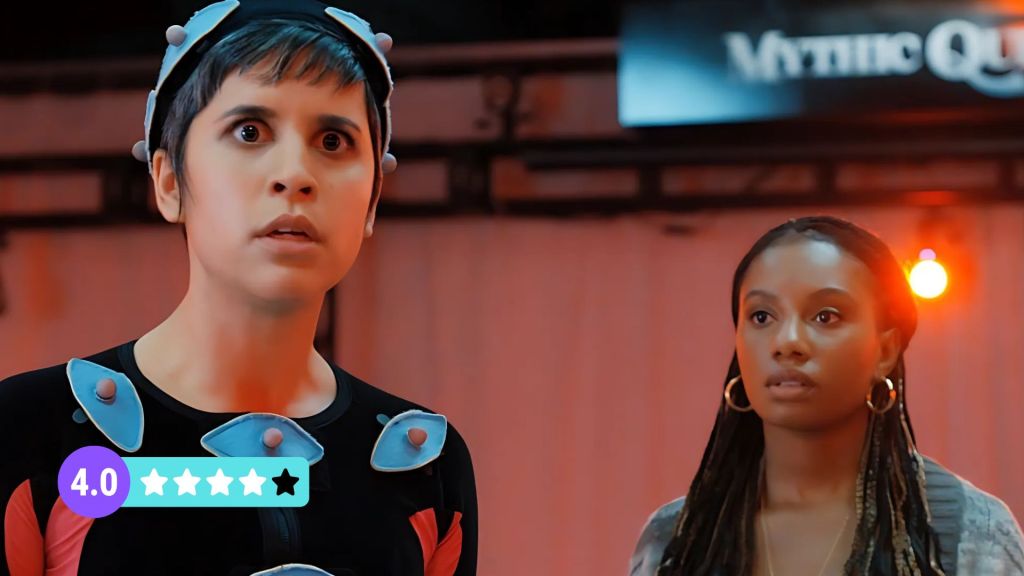
Apple’s streamer [has always emphasized] quality over quantity. Mythic Quest, which returns for its sophomore outing this May, is yet another show that illustrates this somewhat-novel streaming wars game plan. In fact, the show’s near-perfect blend of sharp-yet-oddball) comedy and sudden poignancy makes this hidden gem shine brighter than most. Like that friend you’ve just met, but feel you’ve known for years.
Co-created by It’s Always Sunny in Philadelphia alum Charlie Day, Megan Ganz (also Community), and Rob McElhenney, Mythic Quest — subtitled Raven’s Banquet in season one — is a workplace comedy that follows the exploits of a video game studio that produces an immensely popular massively multiplayer online role-playing game (MMORPG), also called Mythic Quest, or MQ for short.
With a cast and crew made up of familiar faces from both It’s Always Sunny and Community, you know off the bat — or shovel — that you’re in good hands. The MQ office is led by McElhenney’s Ian Grimm (pronounced much like the German word “Ein”), a creative director who is both the knuckle ring-wearing self-absorbed dude you expect — and also someone with a surprising amount of warmth and (at times) perceptiveness.
In many ways, Ian’s character hits the same balance the whole show strives for: it’s laugh-out-loud funny; incredibly sharp; searing in its satirical criticisms of the video game industry; full of heart that feels like a real gut-punch when it sneaks up on you; and so much more.
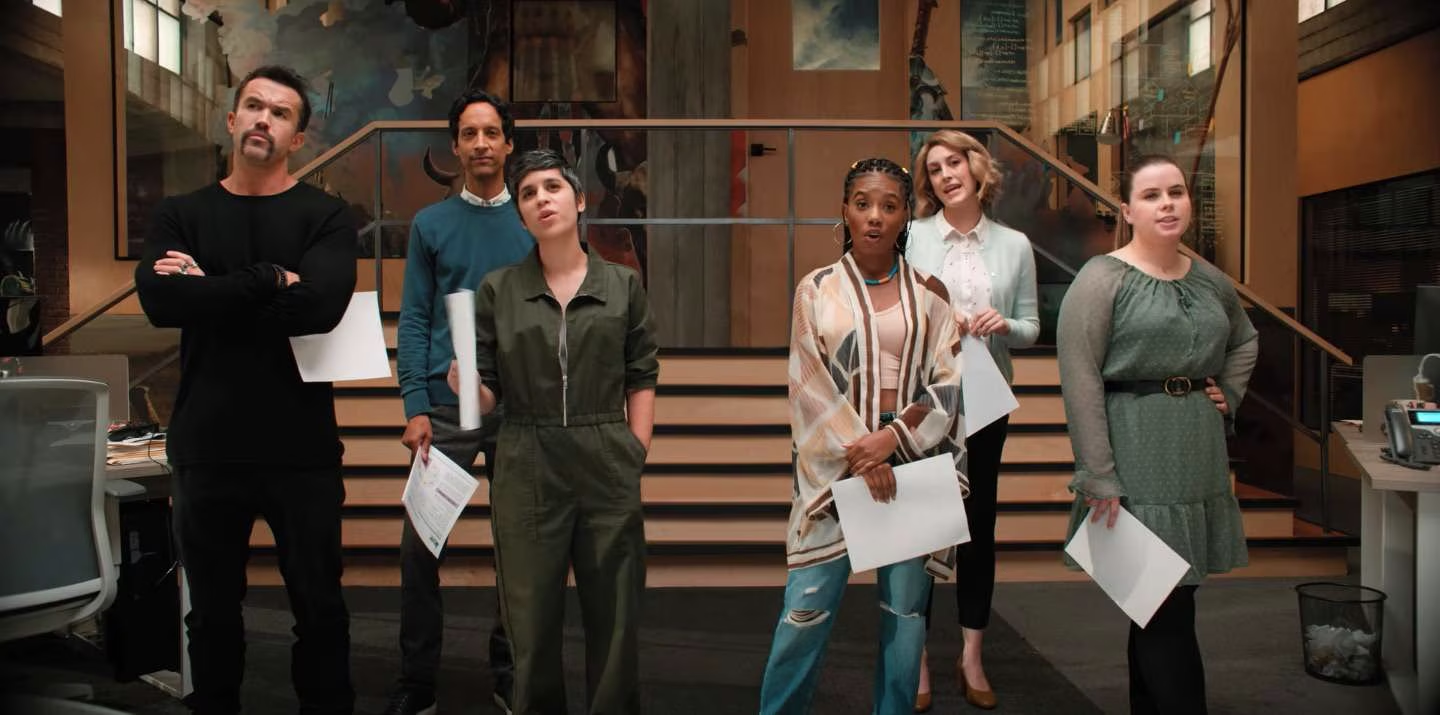
But let’s get back to this stacked cast. More often than not, Ian is going head-to-head with MQ‘s lead engineer Poppy Li (breakout star Charlotte Nicdao). (Generally, the two have different priorities and different visions for the game’s Raven’s Banquet expansion.) The MQ team also features Community‘s Danny Pudi as Brad Bakshi, the blunt, snarky head of monetization; David Hornsby (It’s Always Sunny) as push-over executive producer David Brittlesbee; Jessie Ennis as David’s often-scary and out-for-blood season one assistant Jo; Oscar winner F. Murray Abraham (Amadeus) as Nebula Award-winning head writer C.W. Longbottom; and Ashly Burch and Imani Hakim as game testers (and budding couple) Rachel and Dana.
Rounding out the studio are recurring characters Sue Gorgon (Caitlin McGee), the overworked community manager, and Carol (Broad City‘s Naomi Ekperigin), the HR head who’s constantly pulled into everyone’s personal lives.
Besides its connections to classics like Community and It’s Always Sunny, two specifics convinced me to hit play on the pilot. For starters, as a gamer I was drawn to the workplace backdrop — the in-jokes and nuance.While my excitement around video game-centric content pulled me into Mythic Quest initially, I’d still pitch it to non-gamers and casual fans too.
The series never gets bogged down in industry minutia or technical jargon — even Nicdao noted that she wasn’t a gamer before acting in season one, but feels that the show transcends its setting and is “about a dysfunctional found family” (via Uproxx). It’s safe to say that much of the show’s appeal comes from its universality, and not in a cheesy way either.
“We never want to be the kind of show that’s, like, moralistically wagging our finger at the audience,” Nicdao told Uproxx in that same interview. But, in the same breath, Nicdao points to a season-two scene wherein Ian and Poppy treat the art department terribly, noting that the audience isn’t supposed to be on the stars’ side.

Whether Mythic Quest‘s insightful social commentary is shedding a light on industry issues, like crunch and burnout; or illustrating how women, people of color, and queer folks have to navigate the workplace, it does so with a real honesty. In fact, Mythic Quest‘s inclusivity feels as natural as its comedy. You can tell that the show was made by — and for — people who might see themselves reflected in the characters on screen. And, in terms of TV representation, that makes a world of difference.
As Nicdao pointed out, the show centers on a type of chosen family, and perhaps nothing illustrates that notion better than the show’s “Quarantine” episode, which hit Apple TV+ on the heels of the season one finale. Unlike virtually every other quarantine special episode that came out last year, Mythic Quest‘s bonus episode actually succeeded. Filmed from its cast members’ homes, the episode, which featured a remote Rube Goldberg machine, proved to be a stunning technological feat.
But underneath all the Zoom jokes and work-from-home humor was one of TV’s most touching explorations of the profound sense of isolation 2020 created — as well as our need for warm moments and human connection. It’s a gut-punch that sneaks up on you, but in a way that’s both delightfully surprising and perfectly inevitable.
“Everybody has that game that they fell in love with because they make an impact,” Ian says (albeit for selfish reasons) in season one. “Those games were somebody’s legacy.” With season two’s first few episodes under its belt, Mythic Quest has started to cement its own legacy as the must-watch workplace comedy.
RATING: 4 out of 5 stars
 wrap notes